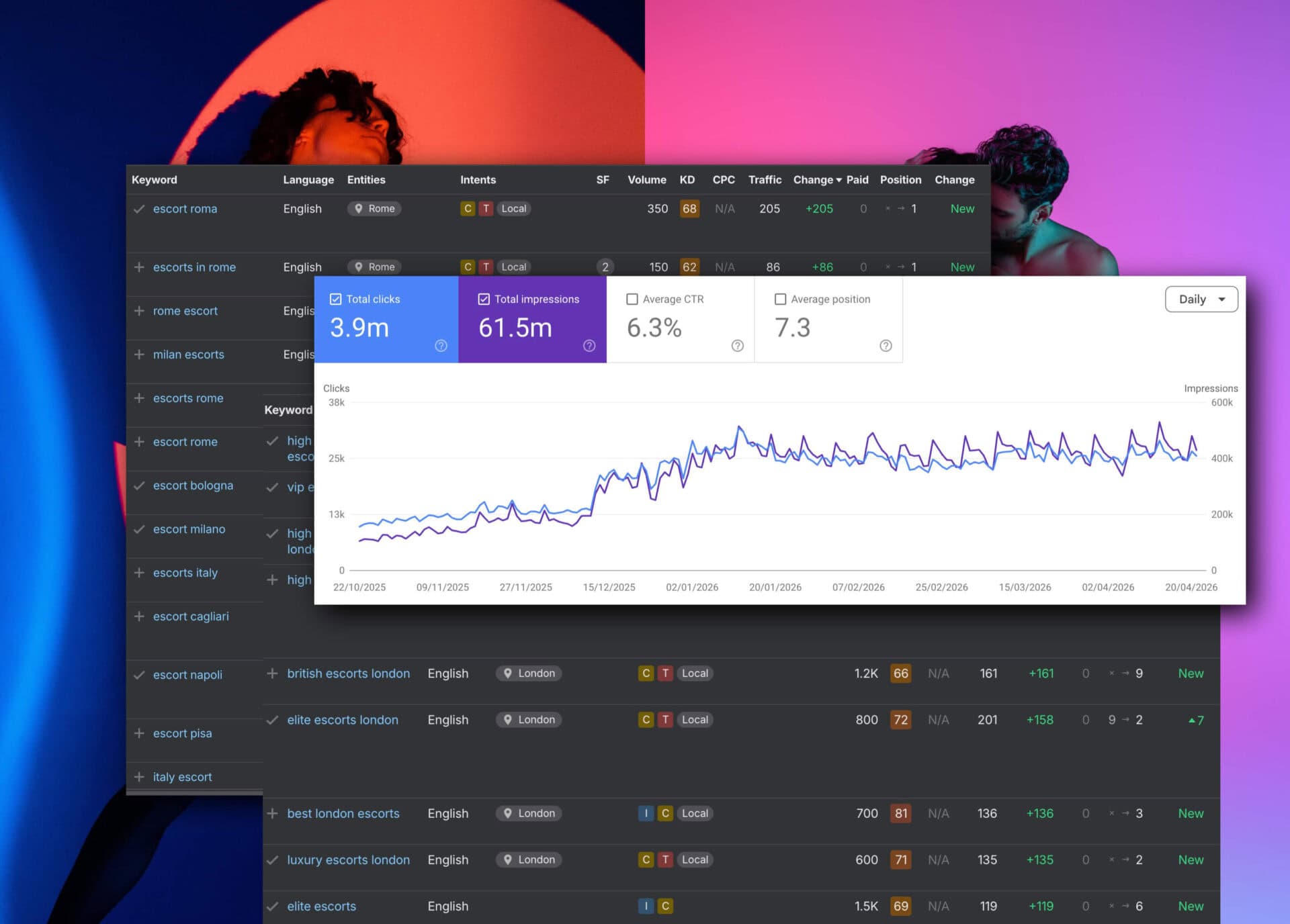


If you run an adult sex toy shop online, AI search in 2026 is going to change one main thing:
Google will answer more questions inside the search results, which usually means fewer easy clicks to your website.
That does not mean “SEO is dead”. It means SEO stops being only about “ranking a page” and becomes more about being the brand Google trusts, and turning the visitors you still get into buyers.
What AI search is doing to Google
Google is moving from “search and click” to “ask and get a summary”.
People search, Google shows an AI overview, and only some users click through for more detail or to buy. So you can still grow — but you can’t rely on casual blog traffic alone like you could a few years ago.
What changes for adult toy shops specifically
You may see fewer clicks for advice-type searches
Queries like “best vibrator for beginners” or “how to clean silicone toys” are the kind of thing AI loves summarising.
So you might see impressions go up, but clicks not follow in the same way.
Some explicit searches might not get AI summaries
Google is cautious around explicit content. In many cases, it will show “normal” results instead of an AI answer.
That sounds good, but it comes with a catch: SafeSearch and adult filtering become even more important, especially if your pages are image-heavy.
Shopping results get more competitive
Google is pushing harder into AI-powered shopping experiences. That means your product data, product pages, and reviews matter more than ever, because Google is trying to help people compare products directly in the results.
The big risk most adult ecommerce sites miss: the age gate problem
Age gates are fine for users, but they can accidentally block Google from seeing your site.
If Google can’t crawl your products and content properly, it can’t rank them properly — and AI features can’t use them either.
This is one of the fastest technical wins we see on adult sites.
The new SEO “win” in 2026: become the shop that gets picked as the source
Google’s AI does not just look at one page. It often breaks a question into smaller sub-questions and looks for several supporting pages.
So instead of only building one blog post, you want to build a helpful content cluster around a product category, like:
- Beginner guides
- Size and material explainers
- Cleaning and safety
- “Quiet / travel-friendly / waterproof” use-cases
- Simple comparisons between types
That increases your odds of being the shop that gets referenced — and it also builds trust with real customers.
What to focus on if you care about sales, not vanity metrics
Product pages need to do more heavy lifting
If you get fewer clicks overall, each click matters more.
Your product pages should answer the questions people normally ask before they buy:
- Material, dimensions, firmness
- Noise level
- Charging details and battery life
- Waterproof rating
- Cleaning instructions
- Warranty and returns
- Discreet packaging and delivery
This is not “SEO fluff”. It’s conversion fuel.
Your product feed and structured data become non-negotiable
Google can’t feature products cleanly if your data is messy.
Even if you do not run ads, you want your Merchant Center data and on-site product markup to be accurate, consistent, and up to date — especially in a category where Google applies restrictions.
Expect “less traffic, better intent”
AI search tends to filter out the casual browsers. The people who still click through are often the ones ready to buy or ready to compare seriously.
That is why conversion improvements (even small ones) can offset traffic drops.
A simple 2026 action plan for adult toy shop owners
Fix the foundations first
Make sure Google can crawl your site properly (especially around age gates), and make sure your category pages and product pages are indexable and clean.
Upgrade your product pages
Treat product pages like mini landing pages: specs, reassurance, clear answers, clear calls to action.
Build a few “money” content hubs
Pick 3–5 themes that match buyer intent (beginner, couples, quiet, anal safety, travel, luxury, etc.) and build proper content clusters around them.
Make your site safer for SafeSearch
Be smart with category thumbnails and above-the-fold imagery. You can still be on-brand, but you want to reduce the risk of getting filtered out.
Track the metrics that tie to revenue
Instead of obsessing over sessions, track:
- Organic revenue
- Add-to-cart rate from organic landing pages
- Checkout start rate
- Conversion rate by landing page type (blog vs category vs product)
- Growth in branded searches (more people searching your shop name)
Where Hautelab fits in
If you want help adapting to AI search, the work usually looks like this:
- technical cleanup (crawl + indexing + adult site gotchas)
- product page upgrades (for conversions and trust)
- content hubs built around real buyer questions
- product feed + markup improvements
- reporting that focuses on revenue impact, not just rankings
If you’d like help adapting your adult toy SEO to AI search in 2026, get in touch with Hautelab. We can chat through your goals and suggest the best next step.